
In the form of a set of dramas dedicated to mobile viewing, known as “micro-short dramas”, new platforms such as ReelShort and DramaBox have in recent years built up audiences in the United States and attracted senior Hollywood executives to bet on their long-term returns. These low-cost, dog-blooded series successfully achieved the breakthrough that Quibi failed to achieve.

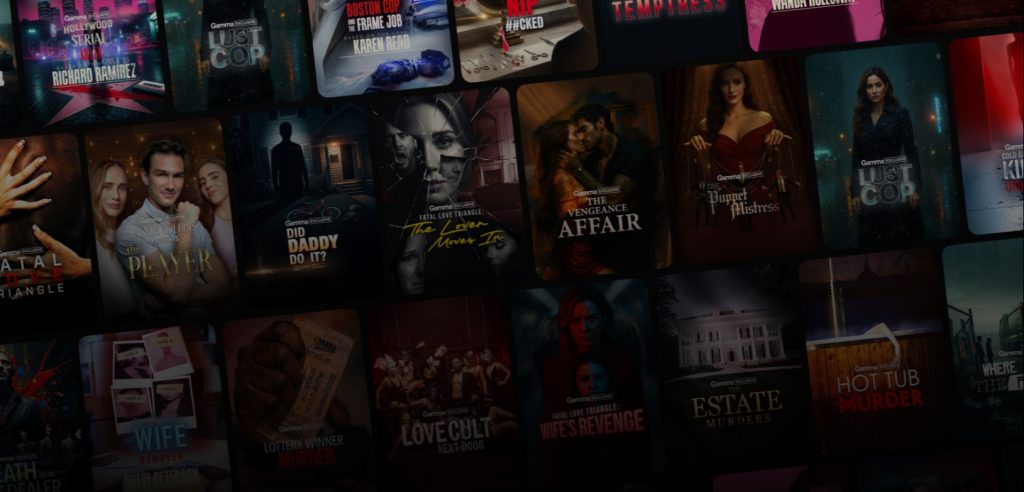
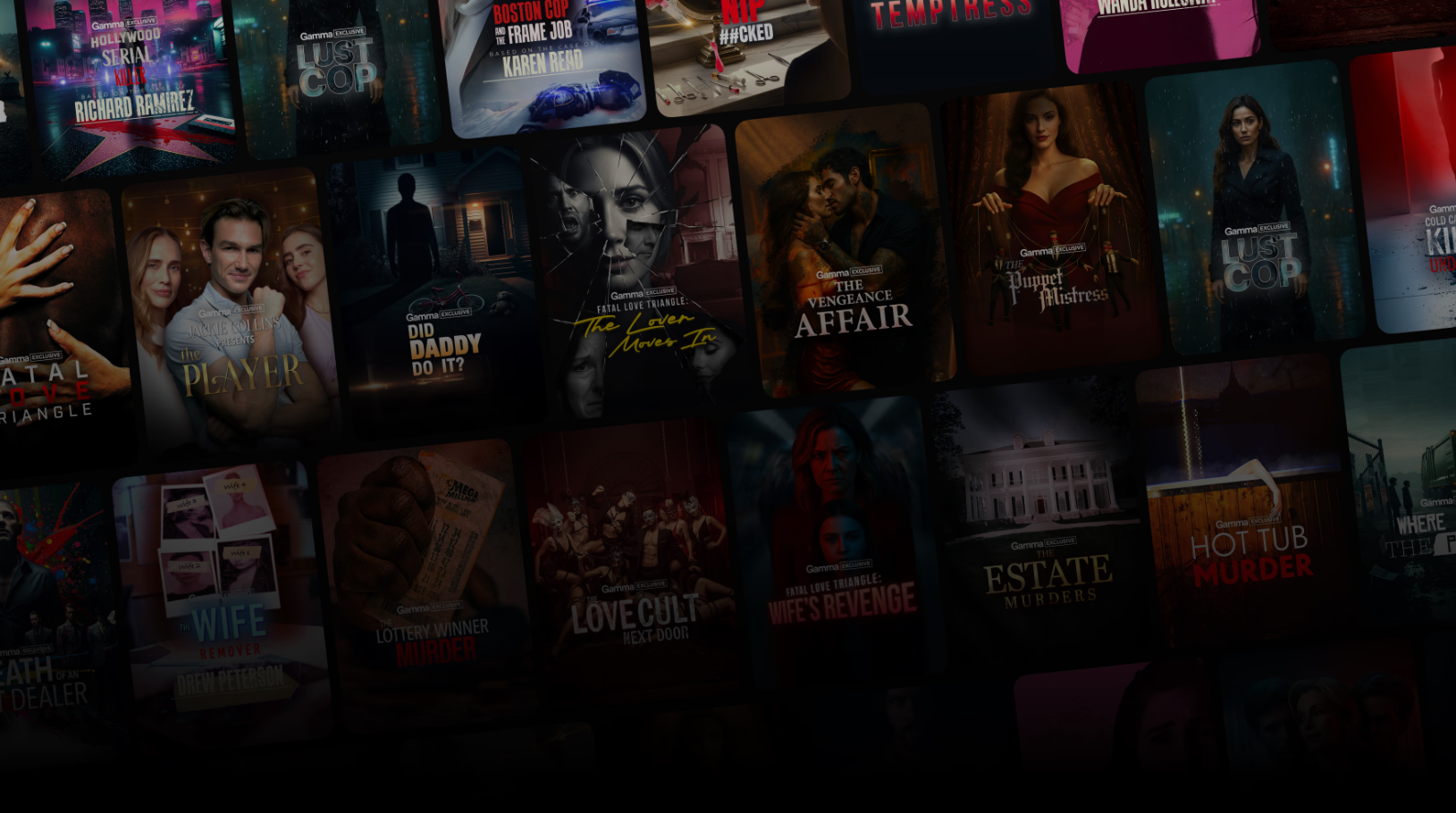
Although most of the manufacturers had been waiting, the situation was changing: Fox Entertainment had recently entered the Ukrainian vertical theatre company, Holywater, which had committed itself to producing more than 200 plays for its My Drama platform within two years; and the former Miramax CEO of the CEO, Gammatime, which launched the microshort play application on 23 October, which raised $14 million from the Investment Office of Kim Kadesan and the co-founder Alexis O’Hanian, and former ABC Entertainment President Lloyd Braun, who co-founded MicroCoo in August, to inject Hollywood professional experience into this emerging form. These industry leaders believe that they can use the experience of the studio to improve the quality of the curtains, which have traditionally been known for rough scripts and new actors. They are actively developing areas of creation beyond the subject of love, including real crimes, horror, terror, animation and comedy types, with a view to breaking through that form of female-dominated audience. At the same time, they also plan to invite the Red Red to perform and to expand the attraction of content.
“Our strategic perspective is distinct, not short-term arbitrage, but as a long-term core business for billions of consumers.” Eric Opeca, Chief Strategic Officer of Cineverse, who holds half of MicroCo’s share, emphasizes. The inflow of capital is naturally driven by profit. Under the current mainstream “free value-added” model, viewers can view the previous episodes (usually one to three minutes per episode) free of charge, with follow-up content subject to payment or unlocking ads. The budget for such projects is low (the single series usually amounts to US$ 100,000 to US$ 300,000), and the platform is testing market responses through large-scale delivery.
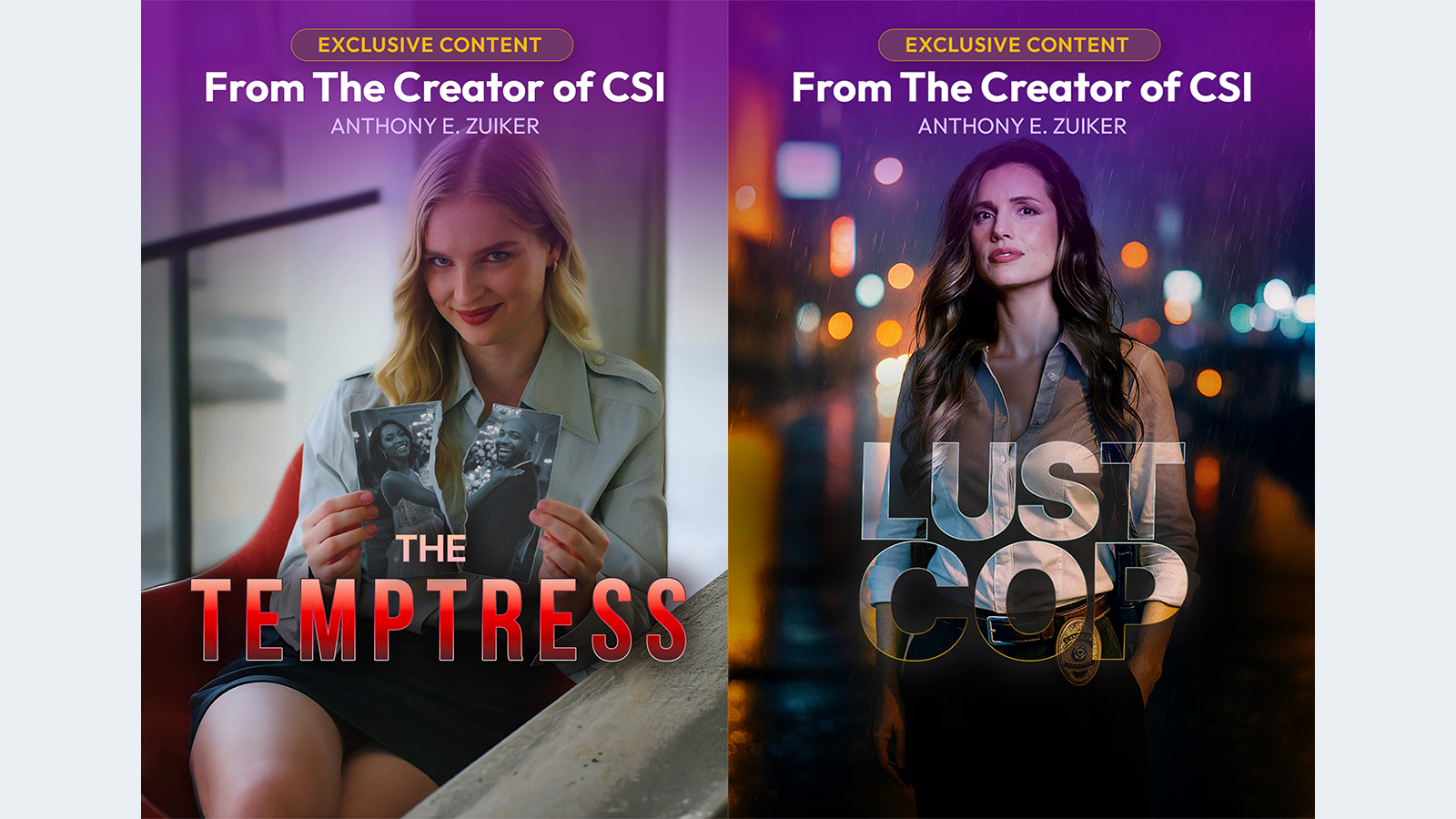
According to Owl & Co, this year market-screened short drama revenues outside China will exceed $3 billion. A separate analysis of Sensor Tower shows that the United States is the largest revenue market for the application of the vertical screen, with revenues of nearly $350 million in the first quarter of 2025. The goal of Hollywood entrants is to build a “Netflix for the short-stage stand” and the competition has begun. But the core issue remains unresolved: are famous movie stars and producers willing to invest in them? Targeting the MicroCo, which was released in the first half of 2026, plans to continue the tradition of new actors to control costs, with a single project budget of $100,000.2 million. “We believe in the law of `television-made stars, and micro-short dramas’ — by the way, we have a very limited budget.” CEO Weinoglad deduces. By contrast, Gammatime and Holywater chose a path closer to traditional Hollywood, inviting permanent film actors to participate in the production — which would raise costs. Gammatime is on line by CSI: Crime Scene Investment, author of two series by Anthony Sook. “We look forward to rejuvenating the hard-won indigenous video talent.” Alex Montalvo, Chief Content Officer of Gammatime, said.
The Quibi, who had been invited by stars such as Demy Lovato, was in stark contrast to the Holywater, a single-series total budget of about $150,000, which produced 60-90 sets of content. The co-founder of Hollywater, Kasianov, stated that, while wishing to maintain an average market budget, he was prepared to invest more in high-cost series. Montalvo, while not disclosing specific figures, claims that “our budget is more competitive than the established level of the industry”. Can these Hollywood water testers really retain users and build brand awareness? Micro-shortshow applications often attract users for downloads through social platforms such as TikTok, but viewers often switch from platform to platform and have not yet developed platform loyalty like Netflix’s real crime fans. Practitioners are convinced that quality improvement will solve this dilemma. “We bring with us a more systematic content experience — not only the creation of an explosive book, but also the construction of a complete system of success.” Victor Grad of MicroCo, for example, was involved by his team in the creation of classic plays like Lost, Intern Greet. What if the short play is just a flashback? Bernstein reported in October that, despite increasing subscriptions to the SVOD platform, user participation was declining and that they had to learn how to survive in the age of fragmentation in the form of a stand-up play.
Sook, who had made a stand-up for Gammatime, was confident in this: “The consumption pattern of the fragmentary content is by no means anecdotal.” While he acknowledged that it was still to be seen whether the American audience was paying for it, he stressed that the creative experience was exciting — in the limits of only three actors, one and a half scenes, it was an interesting creative challenge to capture the audience with a few minutes of suspense. Not to mention the fact that Gammatime takes only 6-8 weeks from setting a project to going online, which contrasts sharply with the development cycle of traditional video and video for several years. That’s why he thought Hollywood creators would embrace the screenplay: “When every one of Bill Block’s ideas is `passed’, this instant creation pleasure is the greatest temptation.”