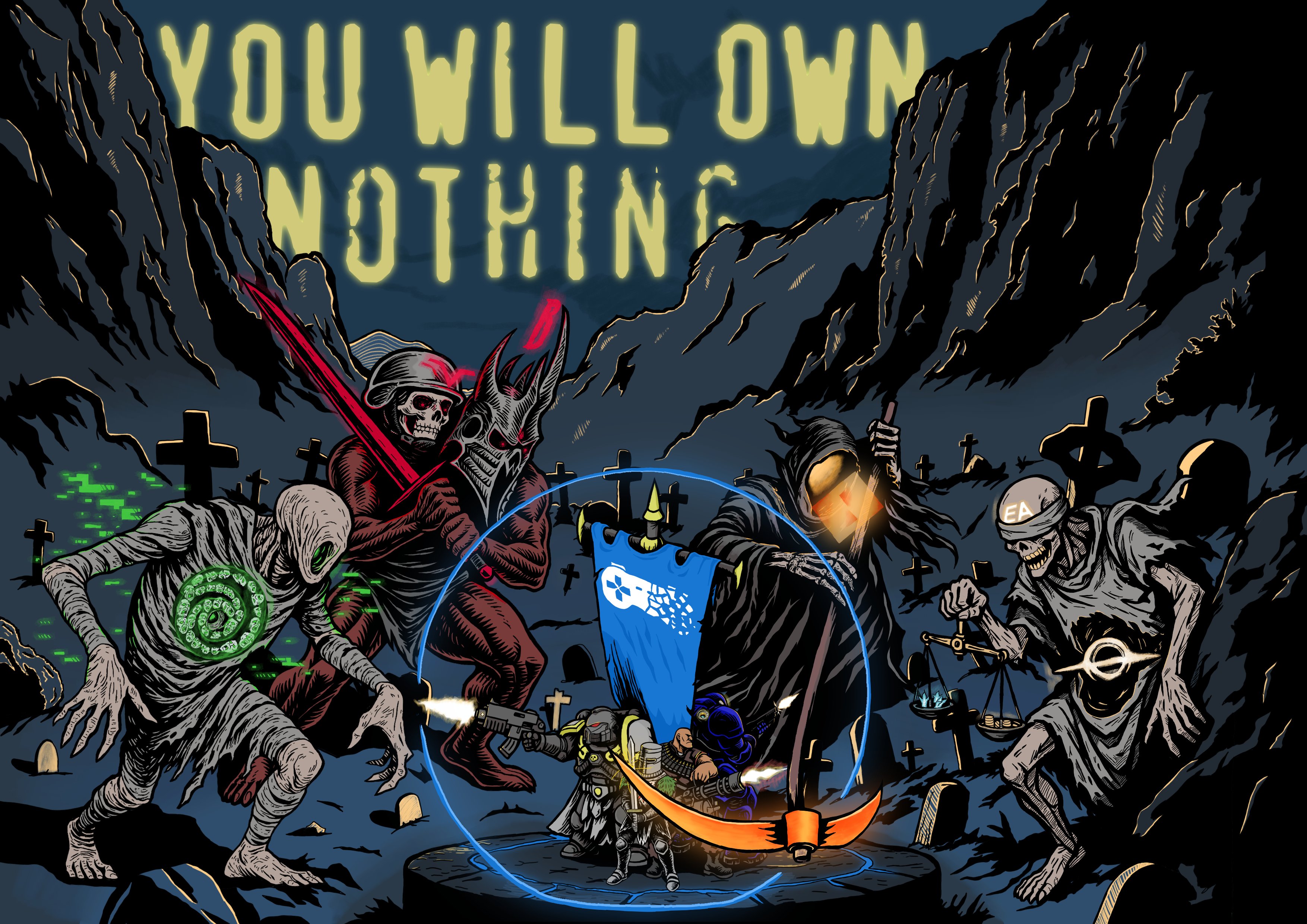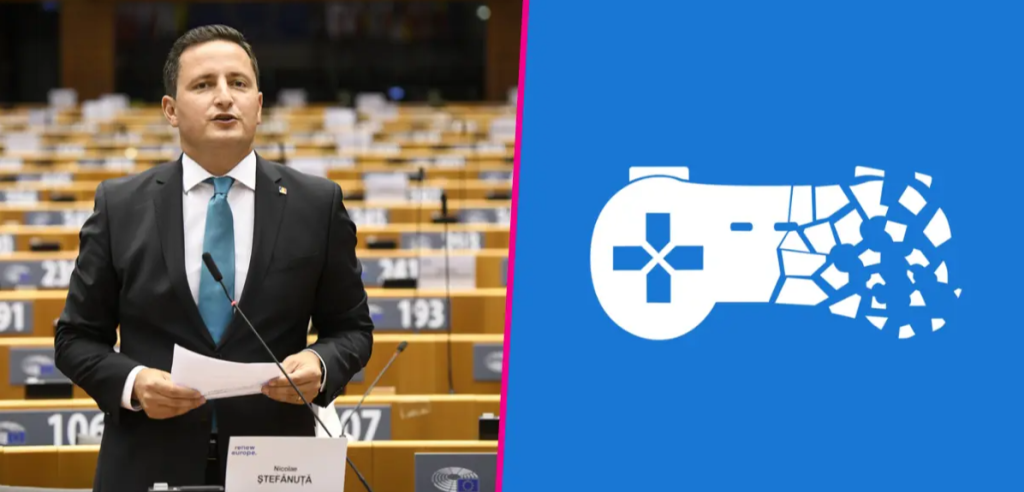

Recently, EuropeNicolae Stefanus, Vice-President of Parliament, has publicly expressed support for the emerging “Stop Killing Game” initiative of European Union citizens, which has been widely seen as a major victory in this campaign to guarantee the digital rights of players.
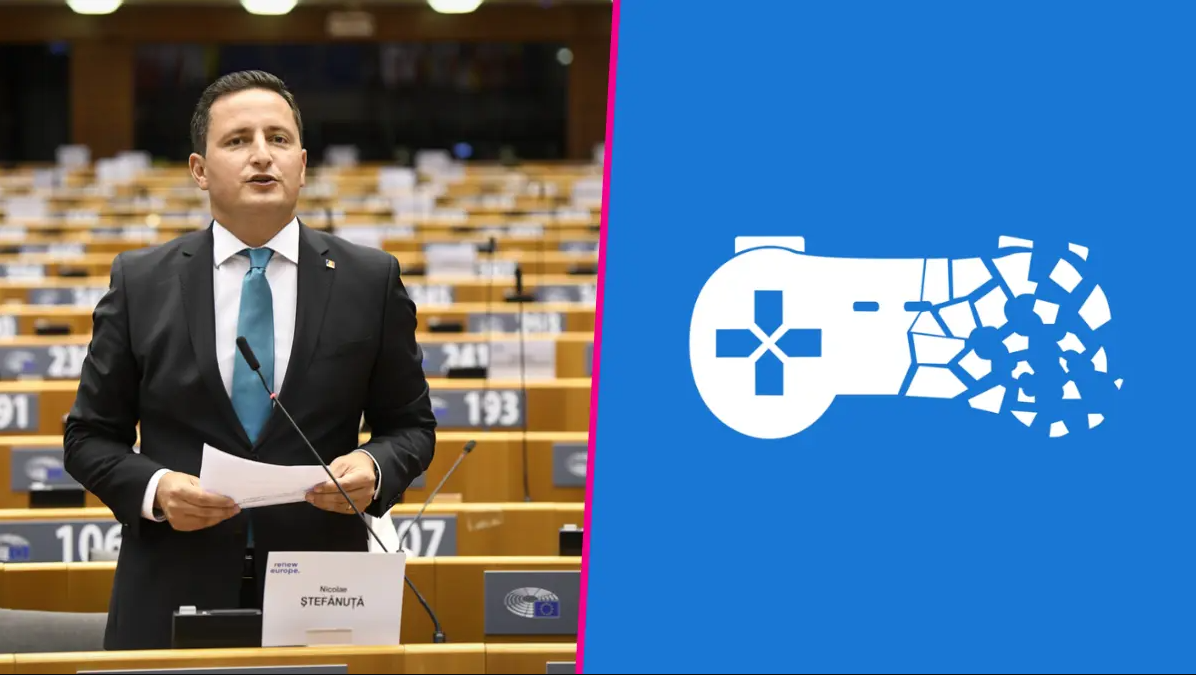
On 12 July, Nicolas Stefanutze released a video in his Instagram dynamic, clearly announcing that he had signed the Stop Killing Games petition and pledging his continued support for the campaign. “I support the people who launched this initiative. I have signed (the petition) and will continue to support them. Once the game is sold, the ownership should be vested in the consumer, not the company.” Directly refers to a major pain in the current game industry — a game bought by a player for which access and play rights may be permanently lost as a result of the unilateral closure or removal of the server by the distributor.
Nicolas public statements have important symbolic and potential implications. As a high-level official of the European Parliament, his support has significantly increased the visibility and credibility of the movement at the decision-making level of the European Union. Despite the current limited direct action that he personally can take, his position will become critical if the initiative succeeds in advancing to the formal agenda of the European Parliament.
When the “Stop Killing Game” initiative is finally presented to the European Parliament for debate, Stefanus will have a valuable voice and influence as a member of Parliament. He was able to use his identity and platform to vehemently defend the movement ‘ s ideas in parliamentary debates and to articulate the need and urgency of preserving the right of the player to permanent access to the acquired game. More importantly, his high-profile support, like the same spotlight, has forced other EU politicians who may not have previously focused on the issue to face up to this million-player-driven citizen appeal. This provides a critical basis for the movement to garner broader political support at the legislative level.
The goal of the “Stop Killing Games” as a genuine EU citizenship initiative is to promote EU-level legislation requiring game companies to ensure that players can retain their core right to continue playing after purchasing a single machine or a game requiring online services, even if the service is terminated (e.g. providing offline models, local server support, or developing source codes, etc.).
Currently, the campaign has collected more than 1 million valid signature support from at least seven different EU member States and is working to meet the statutory minimum signature requirements in more EU countries. Once the signature quota for all member States is successfully met, it will enter an iterative and critical signature certification phase. Once all signatures have been officially cleared, the representative of the “Stop the murder game” will be given the opportunity to hold a formal hearing with the European Commission to present his claims directly to the EU Executive, which is a crucial step in the legislative process.
A week ago, the lobby group European Electronic Games Association, representing the interests of large game distributors, issued a disillusioned statement against the Stop Killing Games initiative. In its statement, the Association defended the current practices of its members (many industry giants), which are indeed the core demands of the movement. That is to say, to allow a game company to stop online services so that games with online elements purchased by players are completely impossible to play, amounting to “murder”.
The position of the European Association of Video Games clearly demonstrates the contradiction between large players’ interests and players. Game manufacturers are more inclined to maintain existing business models and operational flexibility than to address the deep concerns of players about the vulnerability of ownership of digital products. In contrast, as a political figure, Nicolas clearly received calls from players and chose to stand on the side of consumer interests.
Nikolai’s public support is the strongest political endorsement so far of the Stop Killing Game movement. It marks the formal entry of players ‘ claims into the eyes of the highest European legislature. The continued help pledged by the Vice-President of the European Parliament augurs well for an experienced internal advocate for the movement in future key parliamentary debates and interactions with the European Commission.
While the challenges remain enormous — the need to achieve the goal of signature, to persuade EU parliamentarians with divergent positions and, ultimately, to move legislation forward — the Stop Killing Game movement has succeeded in moving a core player’s concern from discussions at the online forum to the heart of the Brussels power corridor.
The participation of Nicolas Stefanus has undoubtedly added a crucial dimension to this struggle for the basic rights of consumers in the digital age, and has given global players a glimpse of how to defend their rights within an institutional framework. This civic action, driven by the signatures of millions of players, is quelling the doors of EU legislation with unprecedented momentum.